Sellers
How do I get my Tampa home ready to sell?
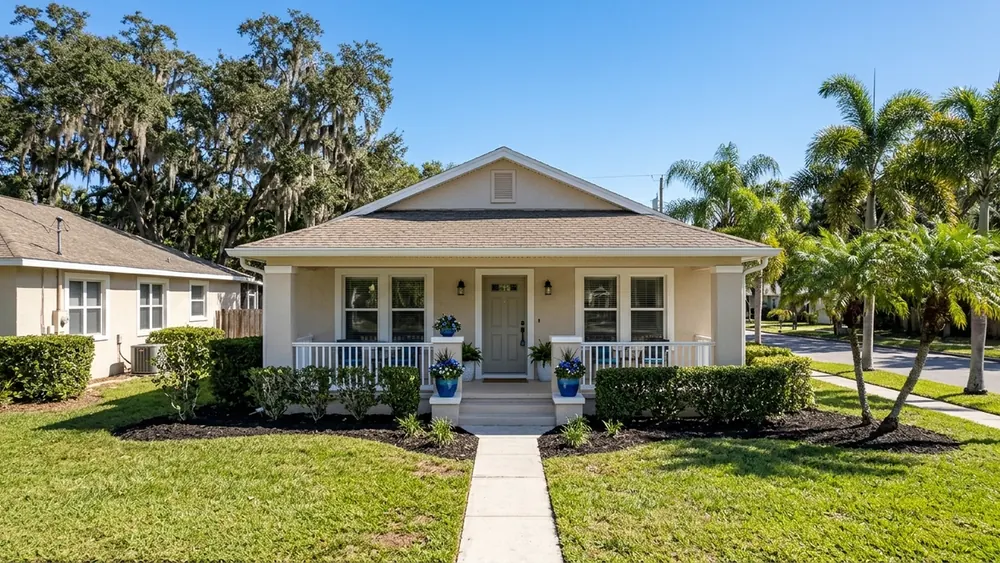
Getting a Tampa home ready to sell goes more smoothly in order: plan your next move, gather your home records, decide which repairs matter with help from a licensed home inspector and contractors, then clean, declutter and prepare the home for photos and showings.
On this page
The short answer on getting ready to sell
Getting your Tampa home ready to sell is mostly a matter of doing the right things in the right order. Start by deciding where you are going next and when. Then gather your home records, decide which repairs are worth making before you list, and prepare the rooms for photos and showings. Each step makes the next one easier, and none of them has to happen in a rush if you start early enough.
Order matters because preparation touches everything that comes after it. The repairs you finish shape what buyers see and what an inspection finds later. The records you gather answer questions before they become worries. The plan for your next move decides how much flexibility you have when an offer arrives. When those pieces are settled first, the listing itself becomes a calmer step instead of a scramble to catch up. It also gives you time to think through each choice instead of making it under pressure.
You do not have to do all of this alone, and you do not have to guess. Lori Cain helps with the real estate side: what to prepare, how buyers in Tampa tend to look at a home, and how the steps fit your timing. Repairs go to licensed contractors, condition questions go to a licensed home inspector, and questions about disclosures or contracts go to a real estate attorney. Knowing who answers what saves time and keeps each answer reliable.
Plan your next move before the first repair
Before you pick up a paintbrush, decide what happens after the sale. Where will you live, and when do you need to be there? Are you buying another home in Tampa, moving elsewhere in Hillsborough County or leaving Florida altogether? Your answers shape how much time you have to prepare and how flexible you can be about a closing date. Write these down first, even if some answers are still rough. A seller with a firm date prepares differently from one who can wait, and it helps to know which you are.
- Where you plan to live next, and the date you need to be there
- Whether you need to sell before you can buy your next home
- Any dates that cannot move, from work to family commitments
- How much time and money you are willing to put into preparation
Gather the records buyers will ask about
Buyers and their advisers ask practical questions about a home, and having answers ready makes your listing easier to trust. Gather what you already have before you list, and keep it in one folder you can share. Missing paperwork is common and nothing to panic about, but it is easier to track down now than in the middle of a contract, when every request seems to arrive at once. Start with these records.
- Receipts and warranties for major repairs, replacements and upgrades
- The approximate age of the roof, the cooling system and the water heater
- Any permits you or past owners pulled for work on the home
- Association documents, rules and contact details if your home has an association
- Recent utility bills, so buyers can ask about typical costs
Decide which repairs are worth making
Not every repair needs to happen before you list, and not every repair is worth the cost. Start with the items a buyer will notice right away: leaks, broken fixtures, doors that stick, worn caulk and anything that looks neglected. Small fixes like these often change how a home feels on a tour. Larger projects deserve a closer look before you commit, because they take time and the payoff is never certain. Ask yourself whether a buyer would notice the change, and whether it fits the time you have.
Some sellers choose to have a licensed home inspector look at the home before listing. A pre-listing inspection can show you what a buyer’s inspector is likely to find, so you can decide ahead of time whether to repair an item, price around it or simply disclose it. Whether it makes sense for your home is a choice to talk through, and the inspector is the right person to explain what the report covers.
When a repair is needed, get written estimates from licensed contractors and ask how long the work will take. Ask about permits too, and check permit questions with the City of Tampa or Hillsborough County before work starts. Keep every receipt. Finished repairs belong in the folder you are building for buyers, and they help answer questions later rather than raising new ones. A buyer who can see what was done, and when, has fewer reasons to wonder what was not.
Prepare the rooms for photos and showings
Most buyers see your home online before they ever walk through the door, so the photos are the first showing. Clear counters, put away personal items, open the blinds and make each room easy to understand at a glance. You are not trying to make the home look like someone else’s. You are trying to let a buyer picture their own life in it without anything getting in the way.
Outside matters as much as inside. Trim plants, clean the entry, sweep the walkways and make sure the house number is easy to read. Then think about showings themselves: where pets will go, how you will leave on short notice and what needs to happen each morning so the home is ready. A simple routine written on one card keeps showing days from taking over your week, and it makes saying yes to a last-minute showing much easier.
I like to start with the plan for your next move, then the records, then the repairs. When those are settled, getting the house ready feels much less overwhelming.
When you are buying and selling at once
Selling one home while buying another means two timelines that affect each other. Decide early whether you need the sale to close before you can buy, and ask your lender how a sale that has not closed yet affects your financing. Leave room around both dates for ordinary delays. Writing both timelines on one page makes the overlap easy to see, and it shows where a temporary place to stay might be needed.
Tax questions often come up at this stage too, especially if you have owned the home a long time or used part of it for work or rental. Those questions belong with a tax professional, and it helps to ask them before you list rather than after you sign. Questions about what you must disclose about the home go to a real estate attorney. Getting those answers early keeps surprises out of the contract, and it gives you time to adjust the plan if an answer changes it.
What to bring to a first conversation
Before you talk with anyone about selling, write down your target move date, the dates you cannot change and where you plan to go next. Add a short list of the repairs you already know about and the ones you are unsure of. Rough notes are fine. They turn a general conversation into one about your home and your timing, which is where the useful advice starts.
Then bring the folder you have been building: repair receipts, permits, the ages of the major systems, any association documents and any inspection report you have. If you are also buying, add your lender’s estimate and what you know about that timeline. Having it all in one place makes it easier to see what is ready, what still needs attention and what can wait.
If you are thinking about selling a home in Tampa, the hardest part is often knowing where to begin. Bring that question to Lori, along with your dates and your notes, and work out an order that fits your home and your next move rather than a generic checklist. Tell Lori when you want to move, and plan backward from there. Which part of getting ready would you most like settled first?
This article is general information about relocating, buying a second home and researching investment property in Tampa Bay. It is not legal, tax, lending, insurance or inspection advice and does not predict prices, rents or returns. Check flood zones and insurance with official sources and qualified insurance professionals, rental rules with official local sources and the association, financing with a lender, taxes with a tax professional and property condition with a licensed home inspector. Lori Cain, LPT Realty.

Written by