Buyers
What should I compare when touring Tampa homes?
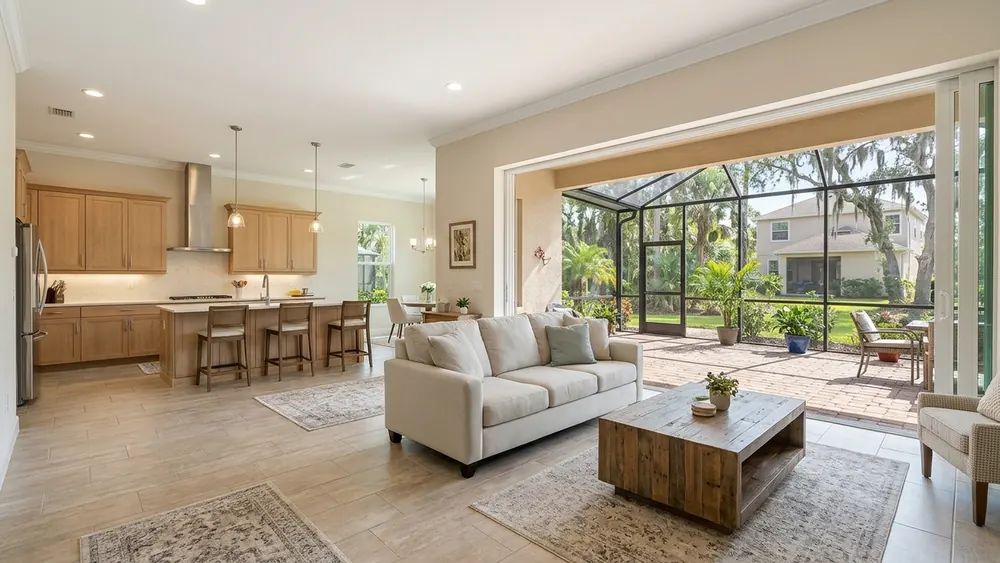
When touring Tampa homes, compare the same things at every showing: condition and the age of major systems, layout and storage, likely upkeep, association rules, insurance questions and how the location fits your normal week.
On this page
The short answer on comparing Tampa homes
When you tour homes in Tampa, compare each one on the same handful of things: the condition and age of the major systems, how the layout and storage fit your daily life, the upkeep it is likely to need, any association rules, the questions it raises for insurance, and how the location fits your normal week. Using the same list at every showing turns a blur of rooms into a fair comparison.
This matters because homes are easy to remember for the wrong reasons. A bright kitchen, a nice view or a clever bit of staging can stick in your mind while the things that shape daily life fade. After a few tours, the details start to swap places in memory. A consistent set of questions and notes keeps each home distinct and keeps your decision tied to what you will live with for years.
Touring is also where the real estate side of buying does much of its work. Lori Cain can help you see past the presentation, point out questions worth asking and keep your notes organized from one showing to the next. Some questions you raise on a tour will belong to a licensed home inspector, an insurance agent or a lender later on, and knowing which is which keeps the process moving.
Setting up a fair comparison before tours
Before the first showing, make a simple scorecard you can use for every home. A page with the same headings each time works well: condition, layout, storage, outdoor space, likely upkeep, association and location. You are not trying to rate each home precisely. You are trying to capture the same kinds of information every time, so you can compare homes side by side later without relying on memory.
Next, separate your needs from your wants. Needs are the things that would make a home unworkable if they were missing, such as enough bedrooms or a layout that works for your household. Wants are the things that would be nice but that you could live without. Writing both lists before you tour keeps a lovely feature from distracting you from a missing essential.
Finally, take photos and short notes at every home, and label them right away with the street or a nickname you will remember. A quick note about what surprised you, what you liked and what worried you is worth more than dozens of unlabeled photos. By the end of a day of touring, those notes are what let you compare honestly instead of guessing which home had which feature.
Looking past the staging and the photos
Staging is designed to help you picture yourself in a home, and it does that well. Your job on a tour is to look at what will stay after the furniture leaves. Notice the ceilings for stains, the windows and doors for how they open and close, the floors for soft spots, and the condition of the cabinets and fixtures. Small signs of wear can point to bigger questions worth asking.
Ask about the age and condition of the roof, the air conditioning, the water heater and the electrical and plumbing systems. Ask about past repairs, any history of water intrusion and any wind mitigation features the home has. You may not get complete answers on a tour, but the questions are still worth writing down. They come up again when an insurance agent quotes coverage and when a licensed home inspector looks at the home.
Walk the outside as carefully as the inside. Look at how the yard drains, where water might collect after a storm, the condition of fences and driveways and how close large trees sit to the house. Check the home’s flood zone on FEMA flood maps and take any questions to your insurance agent and lender. None of this replaces an inspection, but it helps you decide which homes deserve one.
Questions to ask at every showing
A short list of questions, asked the same way at each home, makes your notes much easier to compare later. You do not need to ask them out loud every time. Often you can answer them by looking, by reading the listing details or by asking about it after the showing. What matters is that each home gets the same questions, so no home gets a pass on something important.
- How old are the roof, air conditioning and water heater, and what records exist
- Does the layout fit how you live, work and spend your evenings
- What ongoing upkeep would this home need from you in a typical year
- Is there an association, and what rules or dues come with it
Some answers will need follow up. Association rules and dues come from the association’s own documents, which are worth reading early and taking to a real estate attorney if anything is unclear. Condition questions belong to a licensed home inspector once you are serious about a home. Your notes simply mark which questions are still open, so nothing important gets forgotten between the tour and the offer.
Who answers each touring question
Tours raise more questions than any one person can answer, and that is normal. The trick is sending each question to the person whose job it is to answer it, rather than guessing or letting it slide. This table pairs the main things to compare with what to look for on a tour and the right person to ask when you need a real answer.
| What to compare | What to look for | Who to ask |
|---|---|---|
| Condition and systems | Roof, air conditioning, water heater, stains and wear | A licensed home inspector |
| Insurance questions | Roof age, wind features, past claims and flood zone | An insurance agent, plus FEMA flood maps |
| Association rules | Dues, restrictions and what the association covers | The association, and a real estate attorney |
| Monthly cost | How taxes, insurance and dues change the payment | Your lender and the county property appraiser |
| Fit and location | Layout, storage and how it fits your week | Lori, plus current map sources for drive times |
Keep a running list of the open questions for each home on your scorecard, along with who will answer them. When a home moves to the top of your list, you will already know what you still need to find out before making an offer. That makes the next steps faster and keeps you from committing to a home with important questions still hanging.
Comparing location on your own routine
Location is the one thing about a home you cannot change, so compare it on how you will actually live. Think about where you will spend most weekdays, how you will get there and what you want close by. Within Tampa, two homes that look similar on paper can fit your week very differently. Check drive times with current map sources at the hours you would really be on the road.
If you are also touring outside the city, perhaps comparing Tampa with Wesley Chapel or Plant City, use the same routine based questions for every home rather than general impressions. Visit at more than one time of day if you can, and notice what matters to you personally. The goal is not to decide which place is right for everyone. It is to find which home fits your own week.
Turning tour notes into a short list
After a round of tours, sit down with your scorecards while the details are fresh. Cross off any home that is missing a need, then compare the rest on the things that matter most to you. A short list of two or three homes is easier to think through than a long one. Before you settle on a favorite, check that you have the following written down for each.
- The open questions about condition, and who will answer each one
- What an insurance agent would need to know to quote it
- Any association documents still to read, and questions about them
- How the location fits your normal week, checked at real travel times
If you have been touring Tampa homes and they are starting to blur together, bring your notes to Lori and talk through what you have seen. You can work out which homes are worth a second look and what to find out before an offer, at whatever pace suits you. Every Tampa move goes better with a plan, and good tour notes are a big part of it. Which home are you still thinking about?
This article is general information about relocating, buying a second home and researching investment property in Tampa Bay. It is not legal, tax, lending, insurance or inspection advice and does not predict prices, rents or returns. Check flood zones and insurance with official sources and qualified insurance professionals, rental rules with official local sources and the association, financing with a lender, taxes with a tax professional and property condition with a licensed home inspector. Lori Cain, LPT Realty.

Written by